
Doosra Review: A 78-Minute Experiment in Cricket and Identity
Abhinay Deo's Doosra blends archival cricket footage with a coming-of-age story, led by Plabita Borthakur's moving performance as Tara.
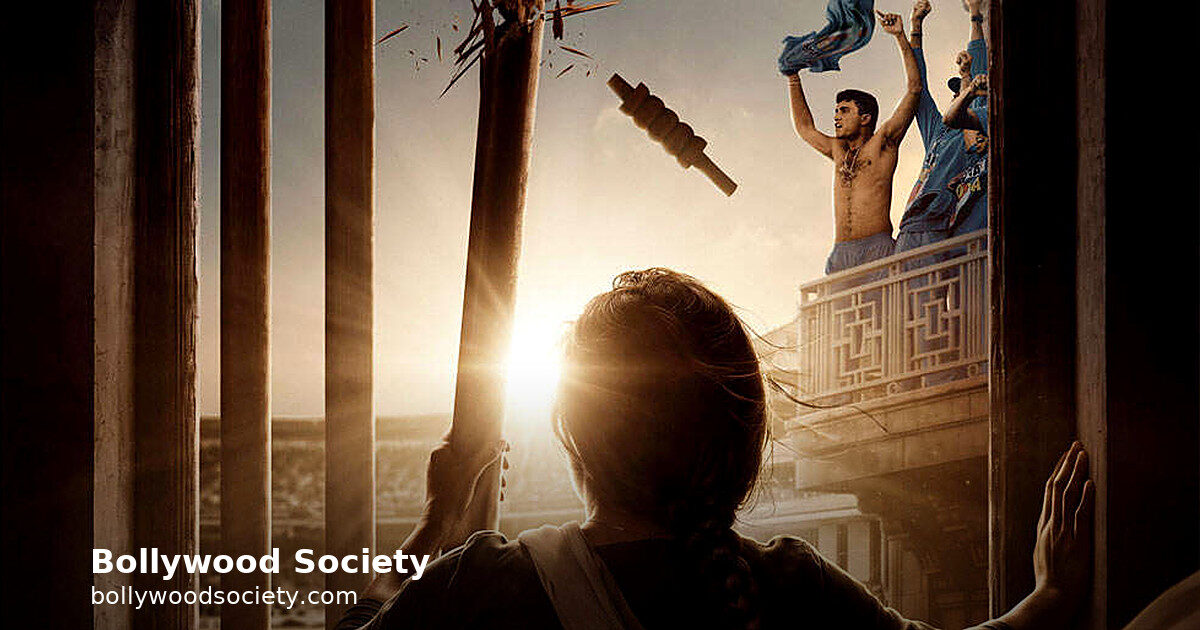
Abhinay Deo’s Doosra is a compact, genre-blending film that links two freedoms: a cricket team learning to assert itself, and a young woman learning to name who she is. At 78 minutes, it makes that parallel quickly and without melodrama.
The film is not a sports biopic. Instead, it places the transformation of Indian cricket under Sourav Ganguly beside a fictional coming-of-age story set in small-town Rajasthan. That structure is the point: both stories are about refusing to stay inside someone else’s boundaries.
A Lord’s celebration, reframed
The sporting anchor is India’s chase of 326 against England in the 2002 NatWest Series final at Lord’s. The win, and Ganguly’s shirt-waving balcony response, became a defining image of a more self-confident Indian side, one no longer satisfied with deference.
For Tara, played by Plabita Borthakur, the moment is intimate. Watching at home, she takes Ganguly’s audacity as a cue to confront her identity and sexuality in a conservative, patriarchal household. The film argues that personal defiance and public defiance can feed each other.
This reversal is what makes Doosra feel fresh for Indian viewers. Cricket is usually the blockbuster backdrop; here it is the metaphor, while the real stakes belong to a daughter negotiating family and selfhood.
Documentary texture, fiction’s pulse
Deo combines archival match footage, documentary interviews and dramatised family scenes. Harsha Bhogle and the late advertising great Piyush Pandey are among those discussing Ganguly’s impact, giving cricket lovers a memory lane that serves the drama rather than slowing it.
The cast keeps the emotional strand credible:
- Plabita Borthakur anchors the film, playing Tara with both conviction and visible fear of the consequences.
- Ankur Vikal gives the father a stubborn patriarchal authority.
- Samidha Guru plays a mother who has internalised the same limits.
- Krishna Gokani offers warm, believable support as Tara’s friend.
Small frame, clear purpose
The 78-minute runtime is a strength. Mohammed Rubais’s cinematography treats Rajasthan with texture and restraint, and Ayelet Gil Efrat’s editing keeps the archival and fictional material from drifting apart.
There are moments where the symbolic connection feels a shade too neat, but the central idea holds. Doosra deserves credit for attempting an unconventional blend and for trusting Borthakur to carry the emotional payoff. It is as much about finding a voice as it is about winning a match, and that focus keeps it engaging.
Source: Filmfare
The room talks
0 comments