
Angh Becomes First Indian TIFF Platform Prize Winner
Producer Nancy Nisa Beso on Angh's historic TIFF Platform Prize, its 2027 Oscars path, and the push to build a film ecosystem in Nagaland.
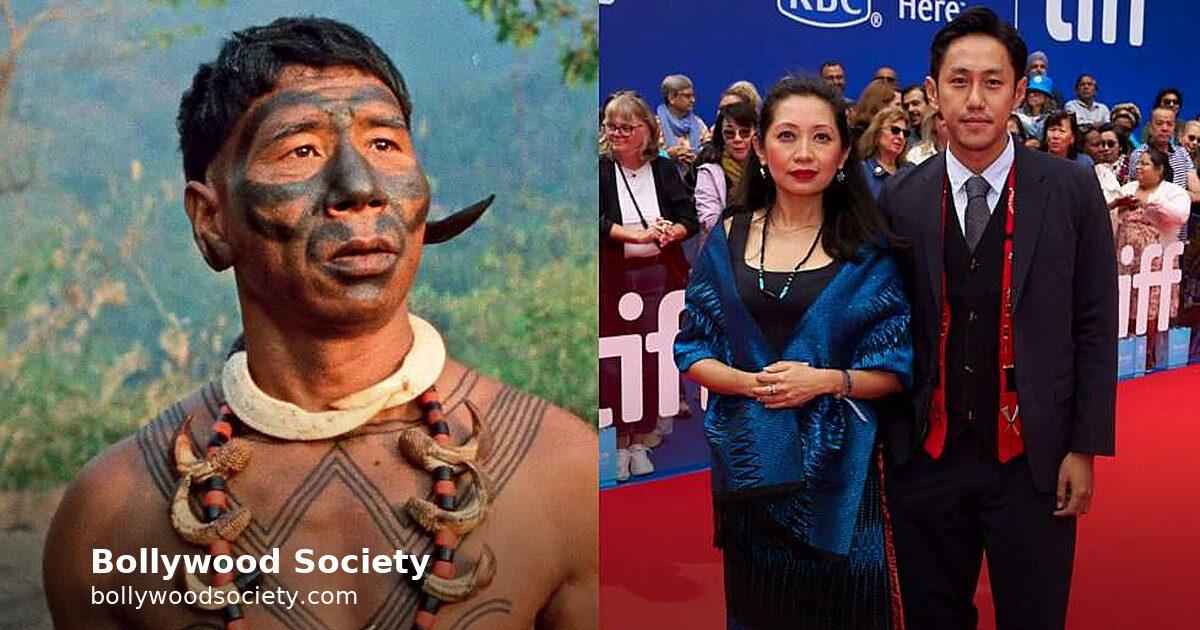
Nagaland’s Angh has made a piece of Indian film history. The 1960s-set drama won the Platform Prize at the 2026 Toronto International Film Festival, becoming the first Indian film to take the award. Under TIFF’s updated rules, the win also puts the film in contention for International Feature Film at the 2027 Academy Awards.
For producer Nancy Nisa Beso, the recognition is meaningful, but the journey is just beginning. In a new interview, she talked about building the film from oral histories and why the most important audience is still back home.
A prize that redraws the map
The Toronto trophy is not just another festival honour; it is now a direct doorway into the Academy’s international race. That changes the conversation around regional cinema, where Beso believes the Northeast rarely gets enough attention.
“Being recognised on a global platform gives us leverage, but that is only half the battle,” she said. The real challenge, she added, is taking the film to audiences in India—especially in Nagaland and the Northeast.
From oral histories to 16mm frames
Angh follows an ageing Konyak village chief and his son as they struggle to hold on to their ancestral faith and way of life amid a changing world. It was shot on 16mm and features an Indigenous Naga cast alongside BAFTA-winning actor Douglas Henshall.
Beso has known director Theja Rio since he was young. She said the story grew out of conversations with grandparents, uncles and other family members—oral histories that had never been documented. Fictionalising those stories was the challenge; shooting them on celluloid became the discipline.
With limited film stock, the team rehearsed a great deal and shot at most three takes. Often the first take was good enough, and the second served as a safety. “The grain and texture of celluloid make the experience feel different from shooting digitally,” Beso said.
A community-built production
For a region with little production infrastructure, the scale was huge. The team had to build two villages from scratch and cast people who had never acted before. Beso credits the crew for carrying the film—many believed in the project enough to work for token payments.
The local community became part of the process too:
- People visited the set with cakes, cookies, chips and eggs for the crew.
- The set stayed open so locals could watch how a film is made.
- Local people were placed across departments to experience careers beyond directing.
The real release is at home
Nagaland does not yet have the theatre and filmmaking infrastructure of more established industries. Beso pointed out that films have been made in the region for a long time, but much of that work has stayed local. Now the team wants Angh to reach Indian theatres, especially in Nagaland and the Northeast.
The awareness gap is real. Beso recalled crew members asking whether they would need a visa to travel to Nagaland, and one person checking if his passport was about to expire. For her, that is exactly why taking the film back to Indian audiences matters as much as the Oscar run.
What the Oscar push looks like
Gaurav Dhingra of Jungle Book Entertainment has come on board to handle world sales after watching Angh. The team is now talking to distributors across the US and Europe and planning to spend time in America, where most Oscar lobbying and campaigning happens.
An Indian theatrical release will wait until the Oscar path is clearer—perhaps after a couple more festivals. “We do not want to release it for the sake of releasing it,” Beso said.
Source: Filmfare
The room talks
0 comments