
Baththa ending explained: Vijay Sethupathi’s outlaw changes
We decode Baththa's quiet final act: why Vijay Sethupathi's feared 1986 Madras man changes after a schoolboy accidentally locks him in a restroom.
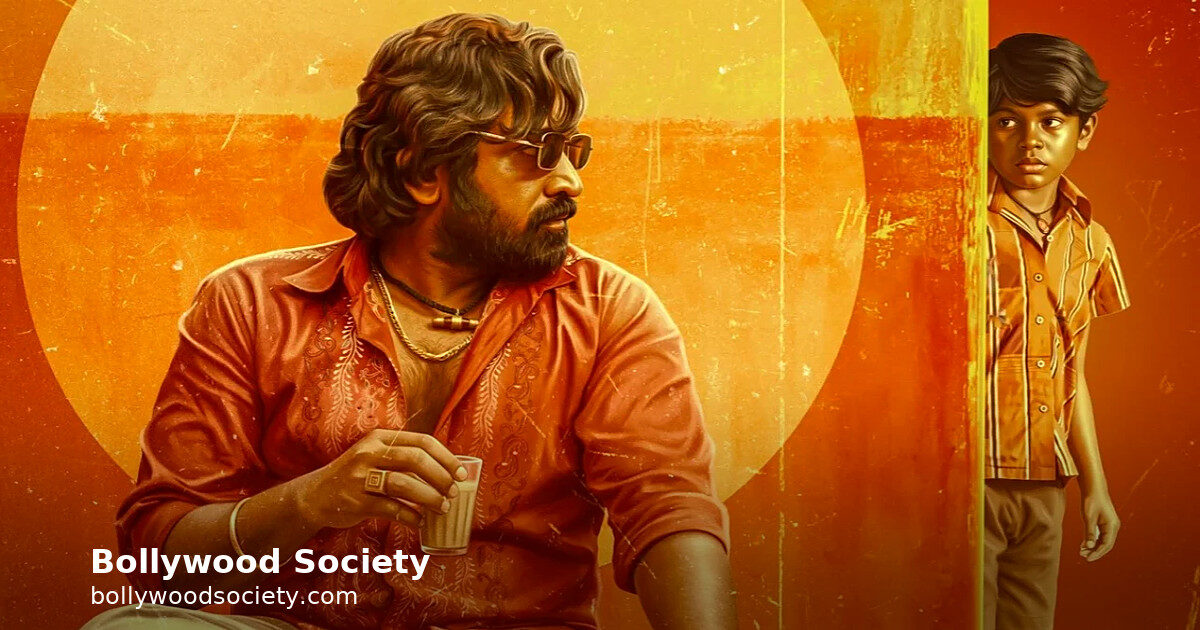
Spoiler warning: this piece decodes the ending of Baththa.
Who Baththa is before the restroom
Baththa, released in theatres on October 1, 2026, is Vijay Sethupathi’s third film with director Balaji Tharaneetharan, after Naduvula Konjam Pakkatha Kaanom and Seethakaathi. The comedy-drama sets its action in 1986 Madras, where the title character is known for his brutality and short temper.
He loves his wife Kanimaa and daughter Thenmozhi, but the aggression that makes him feared outside follows him home. The family receives the same rage he hands out on the streets.
The small mistake that starts the change
Sabari, an eight-year-old schoolboy, is the opposite of everything Baththa represents. One day, the child accidentally locks Baththa inside a school restroom that is about to shut for a long vacation. Afraid of retaliation, Sabari tells no one.
The disappearance causes chaos. Baththa’s gang suspects rivals, and his family waits anxiously. But guilt eventually pulls Sabari back to the locked door with food and water.
- The locked restroom becomes an accidental confessional.
- Baththa is forced to face his childhood insecurities and the pain he has caused his family.
- Sabari slowly sheds his fear of the man he once saw as a monster.
What the ending reveals
When Sabari finally musters the courage to unlock the door, Baththa steps out physically weak and emotionally stripped down. He does not harm the boy. The isolation has removed the intimidating persona that once governed the streets.
Back home, Baththa refuses his gang’s demand for revenge. The last image is quiet: he sits with Kanimaa and Thenmozhi and accepts the food his wife serves, a reversal of his earlier cruelty.
Baththa leaves viewers with a clear idea. The man’s real prison was not the restroom; it was his anger, ego and toxic masculinity. Through Sabari’s innocence, Baththa rediscovers his humanity, while the boy overcomes his deepest fear. True strength, the film suggests, is not making others afraid of you, but owning your mistakes and choosing to change.
Why the transformation matters for fans
For Sethupathi watchers, the draw is not just the period setting but a performance that moves from loud rage to still self-awareness. Balaji Tharaneetharan frames the change through a child’s fear, which makes the redemption feel earned rather than sudden.
The locked door works because it is both literal and symbolic: Baththa cannot walk away from himself. Sabari is not a gang rival or a dramatic enemy; he is a schoolboy whose mistake carries the entire emotional journey.
Source: PINKVILLA
The room talks
0 comments