
Amaal Mallik Refuses to Blame Films Alone for Violence
Amaal Mallik says cinema can influence young people but cannot be the only reason for crime after the Andhra Pradesh chainsaw attack. He also asks why songs escape scrutiny.
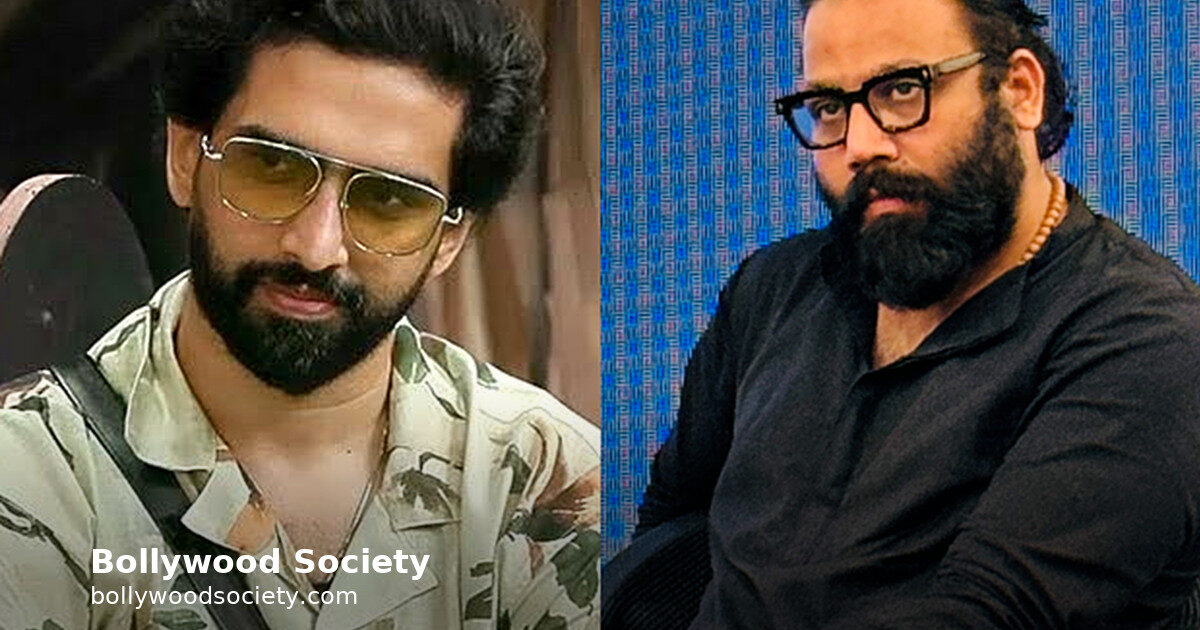
Singer-composer Amaal Mallik has joined the row over on-screen violence after a 21-year-old named Hemanth attacked a Class 10 student with an electric chainsaw in Andhra Pradesh. As public anger turned toward violent films, especially those directed by Sandeep Reddy Vanga, Amaal drew a line: cinema can shape a generation, but it cannot carry the whole blame for one person’s crime.
In a detailed post on X, he wrote that films and music can influence young people, and filmmakers should think carefully about how they show violence. But he insisted that family values, upbringing, political climate, personal experiences and trauma also shape how someone reacts. “But cinema alone cannot be blamed for someone’s actions,” he wrote.
He enjoyed the films and still sees them as fiction
Amaal said he has watched and enjoyed Animal, Kabir Singh, Dhurandhar and KGF, even though he has objected to certain scenes in some of those films. His point is simple: knowing that a film is a story is a viewer’s responsibility too. “A film is a story, and we should know that we do not have to copy everything we see,” he said.
He described cinema as “a bloody imaginative space” and argued that if audiences cannot tell the difference, the problem is bigger than any film.
The song double standard
Amaal then asked why the outrage rarely lands on music. He named his own hits Kar Gayi Chull and Rom Rom Romantic alongside Beedi Jalaile, Pink Lips, Chikni Chameli and Munni Badnaam, pointing out that these tracks are still celebrated and danced to on reality shows.
He extended the argument to rap and other content on YouTube and Instagram, particularly from the northern belt, which he said glorifies murder, power and aggression or uses degrading language about women. If parents play those songs around children, he argued, the scrutiny has to be fair.
- Follow age ratings strictly.
- Never take infants to ‘A’ certified films.
- Help young viewers see a film as a narrative, not a rulebook.
Sandeep Reddy Vanga calls out opportunism
Earlier the same day, Vanga responded on X. He wrote that “a tragedy deserves empathy, not opportunism” and accused critics of using the attack to settle personal scores. His larger charge: the conversation should be about the victims, not a convenient scapegoat in cinema.
For our readers, the takeaway is not that violent entertainment is harmless. It is that accountability, age ratings and media literacy all matter at once.
Source: Bollywood Hungama
The room talks
0 comments