
Eetha: A 1943–1980 Tamasha Story Arrives Dec 4
Laxman Utekar's Eetha, led by Shraddha Kapoor, spans 1943 to 1980 and puts Maharashtra's traditional Tamasha culture centre stage on December 4.
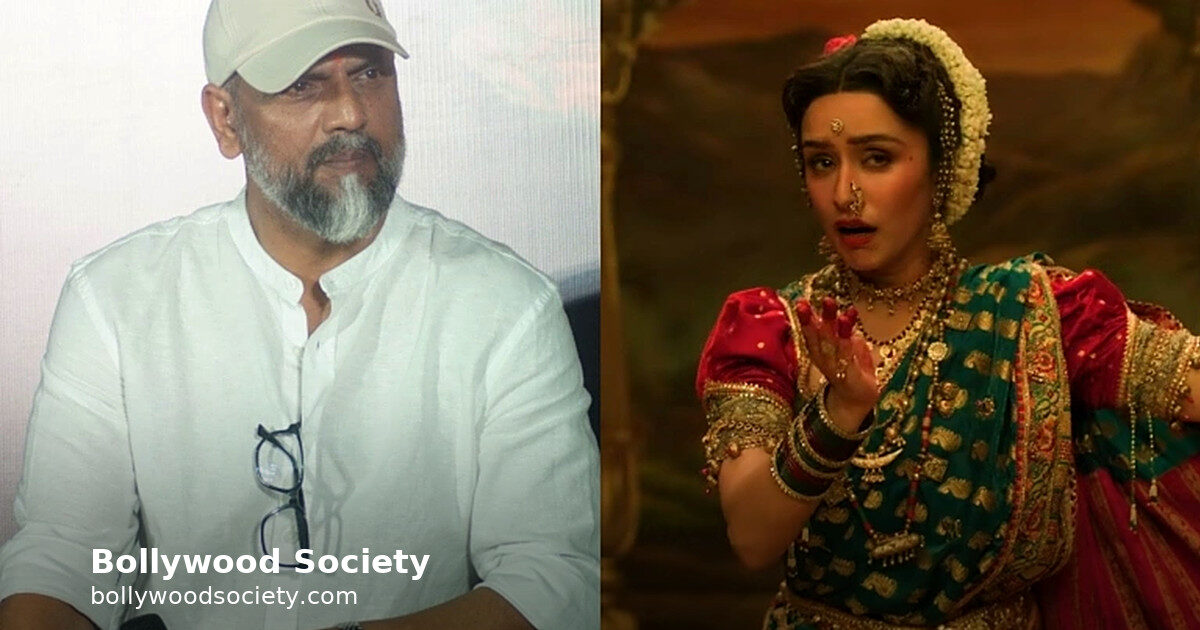
Laxman Utekar is following Chhaava with a detour into Maharashtra’s Tamasha tradition. Eetha, led by Shraddha Kapoor, opens in cinemas on December 4 and unfolds across a period from 1943 to 1980.
The idea started on the sets of Chhaava
Utekar says he read the Marathi book Tamasha: Vithabaichya Aayushyacha while shooting Chhaava, and the central character stayed with him. He was careful to clarify that Eetha is not an adaptation of the book. “The film is inspired by the character in Marathi book, Tamasha: Vithabaichya Aayushyacha, which I read on the sets of Chhaava,” he said. “We have only taken two incidents from her life mentioned in the book.”
Why the research matters
Tamasha is a folk performance tradition that combines song, dance and theatre, with deep roots in Maharashtra. The makers of Eetha spent considerable time understanding the art form, its practices and the people whose lives revolve around it. That matters because mainstream Hindi cinema has rarely placed Tamasha’s traditional form at the centre of a narrative. More often, it appears as a colourful song-and-dance interlude rather than a lived cultural world with customs, artistic expressions and everyday realities.
Eetha aims to take audiences beyond the contemporary evolution of Tamasha and introduce the cultural essence of the art.
What to watch for
- Timeline: 1943 to 1980, almost four decades
- Star: Shraddha Kapoor, returning after Stree
- Director: Laxman Utekar, after Chhaava
- Producers: Dinesh Vijan, Laxman Utekar and Karishma Sharma
- Release: December 4 in cinemas
- Presented by: Maddock Films and Kathputli Creations
The four-decade window is a large part of the hook: the film can show how a performance tradition changes with the people who carry it. For Shraddha Kapoor, it is a return to the big screen after Stree. For Utekar, it is a chance to switch registers after the scale of Chhaava.
What it means for fans
For audiences, Eetha offers a version of Maharashtra that mainstream cinema often treats as background texture. A period from 1943 to 1980 also covers a changing India, so the art form is not frozen in time. The decision to borrow only two incidents from the book suggests the makers want room to dramatise rather than document.
The release gives Shraddha Kapoor a different frame after Stree: a folk-performance world with its own rhythms, costumes and stage discipline. The research-first approach is the promise: the customs, the stage and the people behind Tamasha should carry the film, not just the star power.
Source: Bollywood Bubble
The room talks
0 comments